


Water Damage Services for Bendigo Properties

Get Your Free Estimate

Emergency Water Damage Restoration Services in Bendigo

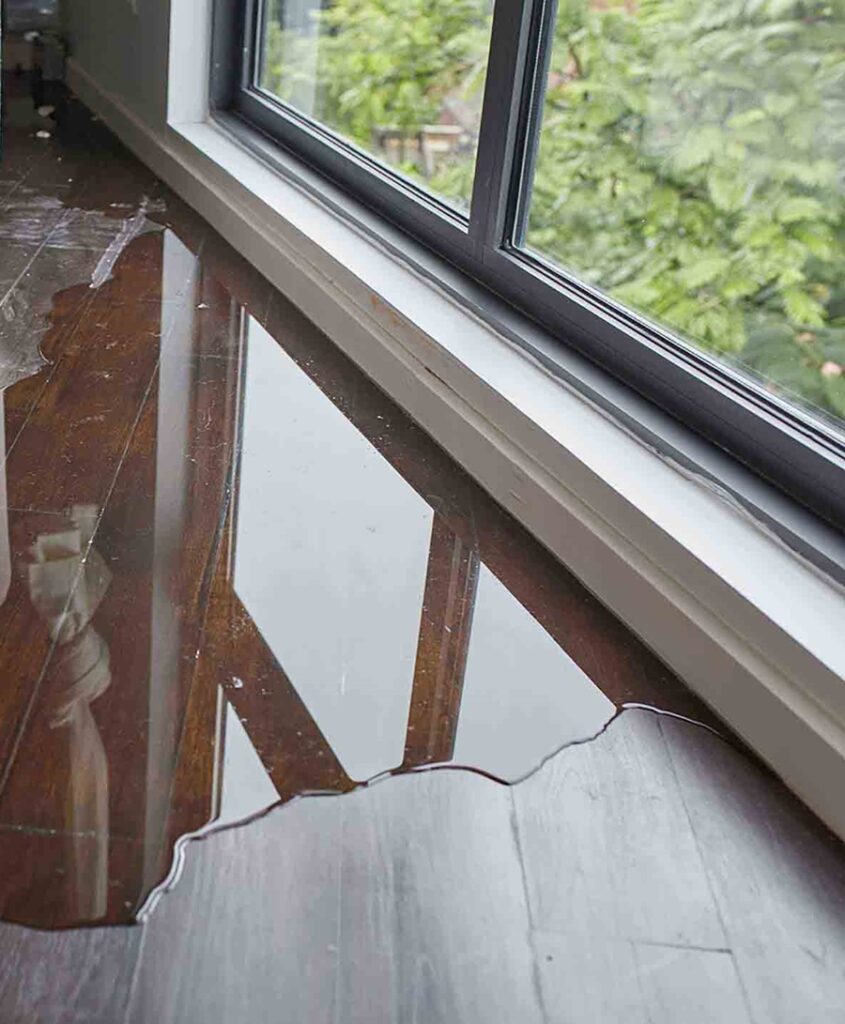
When a pipe bursts in a Californian Bungalow in Kangaroo Flat or a summer downpour floods a business near the Bendigo Creek, the clock starts ticking. We are an IICRC-certified water damage restoration firm that serves the City of Greater Bendigo, from the historic streetscapes of Quarry Hill to the growing communities in Strathfieldsaye. Our work is not just about water removal. It’s about understanding the specific materials used in local properties, from 1880s Boom Style brickwork to modern builds in Maiden Gully, and applying the correct drying science to prevent long-term structural harm. We provide 24/7 emergency response and the detailed documentation required for insurance claims with providers like RACV, APIA, and Budget Direct.

-what we do

Our Services

Explore our comprehensive water damage restoration services by selecting an option below:

Water Damage Restoration

This is our primary function, addressing water intrusion from any source. We focus on returning affected building materials to their documented dry standard, preventing the conditions that lead to mould, decay, and structural failure.

Flood Damage Restoration

Following significant rainfall events like the floods seen in 2022 and early 2024, properties face gross contamination (Category 3 water). Our response includes controlled removal of contaminated materials and managing the health risks associated with floodwater, which can contain sewage, chemicals, and pathogens.

Contamination Cleanup

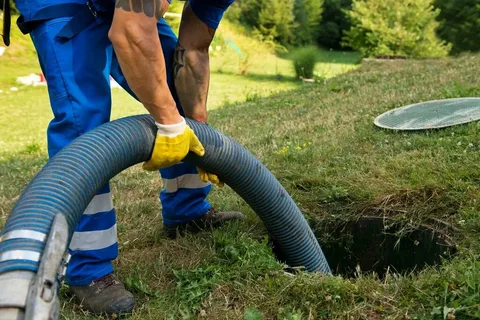
We handle water from unsanitary sources, classified as Category 2 (grey water) or Category 3 (black water). This includes toilet overflows, sewage backups, or water that has sat stagnant for over 48 hours, promoting microbial growth. The process follows strict safety and containment protocols.

Structural Drying

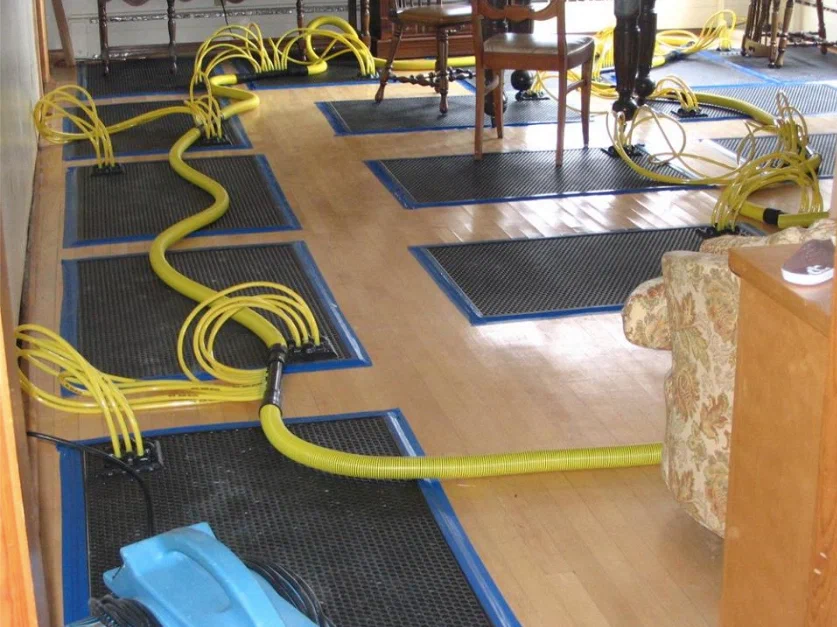
We establish a controlled drying environment using commercial-grade Low-Grain Refrigerant (LGR) dehumidifiers and high-velocity air movers. This isn’t just about heat; it’s about managing humidity and airflow (psychrometry) to draw moisture out of concrete, timber framing, and subfloors without causing secondary damage.

Specialised Materials

We have specific protocols for drying challenging materials. This includes targeted techniques for heritage lath and plaster, decorative cornices, and original timber floors common in Bendigo’s older homes, ensuring they aren’t damaged by aggressive drying methods.

Odour Removal

After a water event, microbial volatile organic compounds (MVOCs) can cause persistent musty odours. We identify and treat the source, using HEPA air scrubbers and, when necessary, ozone or hydroxyl treatments to neutralize odours rather than mask them.

Mould Remediation

If water damage is not addressed within 24-48 hours, mould growth is inevitable, especially in humid conditions. Our IICRC-certified mould remediation process involves containment, source removal, and air filtration to ensure the property is returned to a normal fungal ecology (Condition 1).

Types Of Water Damage

The source of the water, how long it has been present, and the materials it has affected all determine the level of contamination and the type of restoration required. Understanding the different categories of water damage helps property owners respond quickly, reduce health risks, and ensure the correct restoration methods are used.

Who Are You

We work with homeowners, property managers, insurance builders, and tenants, tailoring our communication and documentation to the specific needs of each party involved in the restoration and claims process.

-Our Professionals

Why Our Approach is Different

Your Local Water Damage Experts

From start to finish, Water Damage Restoration Bendigo provides expert solutions tailored to your situation. Let us handle the damage so you can get back to normal.

-OUR PROCESS

Get Our Service In 3 Steps

On-Site Assessment

Our technician uses non-invasive tools like a Tramex moisture meter and a FLIR thermal imaging camera to map the extent of water migration behind walls and under floors. This initial assessment identifies all affected materials and establishes a baseline for the drying project.

Tailored Drying Strategy

Based on the assessment, we design a drying plan. This specifies the type and number of LGR dehumidifiers and air movers required, the containment strategy, and any necessary removal of non-salvageable materials. You receive a clear, itemized quote for the work.

IICRC S500-Compliant Documentation

We deploy our equipment and manage the drying environment, making daily adjustments. All activities, moisture readings, and equipment data are logged in a report that provides verifiable proof of a properly managed drying project for your insurance company.

- Testimonials

What Our Customers Are Saying

Professional Restoration Made Simple

Water Damage Restoration Bendigo ensures expert care and attention to detail for all your restoration needs. We’re here when you need us the most.

Frequently Asked Questions about Water Damage Services

Yes. Our business is structured for 24/7 emergency dispatch across the City of Greater Bendigo and surrounding towns. A rapid response is critical to mitigating damage, especially within the first 24-48 hours.

Most residential drying projects can be completed in 3-5 days. However, drying time depends on factors like the materials involved (plaster is slower than Gyprock), the class of water intrusion, and the local weather. A saturated double-brick wall in winter will take longer than a surface-level spill in summer.

Simply heating a wet building without controlling humidity can trap moisture and accelerate mould growth. Our IICRC-certified approach uses LGR dehumidifiers to remove water vapour from the air while targeted airflow releases it from materials. This controlled process is the only way to ensure complete drying and prevent secondary damage.

Yes. Restoring a “Bendigo Boom” style property requires a specific methodology. We use less invasive techniques to preserve materials like lath and plaster, decorative cornices, and original timber floors. We focus on targeted drying to avoid the structural stress that rapid, aggressive drying can cause in older buildings.

Yes. If our initial moisture assessment reveals existing mould, or if conditions are conducive to growth, we can incorporate mould remediation into the project scope. This includes containment, HEPA-filtered air scrubbing, and safe removal of contaminated materials per industry guidelines.

Affiliates & Certifications:

Our restoration work is performed in accordance with the Australian AS-IICRC S500 standard. Our technicians are certified by the Institute of Inspection, Cleaning and Restoration Certification. 

Scroll to Top